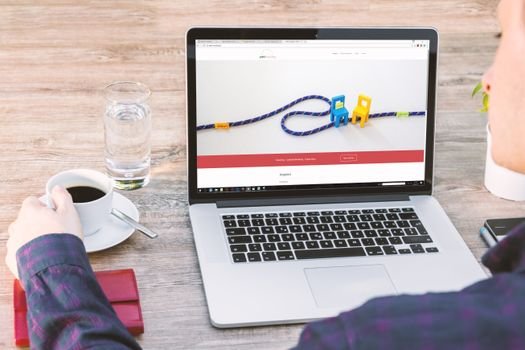
How to create a website that turns visitors into customers.
How to create a Website
Nowadays, users make snap judgments based on how a website feels, functions, and conveys its message. The opportunity is lost if the design fails to inspire action.
A website should guide users along a clear path that transforms curiosity into engagement and engagement into sales, rather than simply showcasing your brand.
Simply adding attention-grabbing elements isn’t the key to leveraging web design principles that drive sales. From the initial click to the final conversion, a seamless experience is created through smart layouts, strong calls to action, user-centric navigation, and trust-building components.
1. How to create a website that turns visitors into customers
Not all visually appealing websites are effective. A site that merely looks good is vastly different from one that actively generates leads and sales. A high-performing website begins with a strategy and uses design to help achieve specific goals.
The four key principles of high-converting web design are action, relevance, clarity, and trust. Every aspect of the site—including design and copy—should enable users to understand your offer, trust your brand, and move forward in the process.
User behavior is always the starting point for effective web design strategies aimed at converting visitors into customers. Consumers demand quick answers, easy navigation, and the assurance that they are making the best decision. A visually appealing design that confuses users will ultimately result in lower sales. Conversions will naturally increase with a design that guides users with a purpose.
2. Crucial elements of a customer-centric website
A customer-centric website is built with the visitor in mind, not the business owner. Every component should enable customers to easily find what they need, trust the brand, and take action without hesitation.
A clear message is a crucial component of a customer-centric website. Visitors should immediately know who you are, what you offer, and how it benefits them. Vague promises or confusing wording simply increase uncertainty and lower conversion rates.
Another important factor is navigation. A user-friendly, trust-building website design minimizes the number of clicks required to access content while adhering to a logical structure. Calls to action should be prominent, menus simple, and pages well-organized.
Finally, a clean design and fast loading times are crucial. Users become frustrated, and credibility suffers, when a website is slow and cluttered. A clean, well-structured website provides a smoother experience, keeping users engaged and allowing them to navigate with ease.
3. Landing Page Conversion: What Matters
The sole purpose of a landing page is to encourage a specific action. Unlike a homepage or a general website page, a high-converting landing page eliminates distractions and focuses the visitor’s attention on a specific goal.
The secret to creating landing pages that convert is to keep things simple. Every element—from the button to the headline—should support the action you want the visitor to take. Clear bullet points succinctly present benefits, compelling headlines draw readers in, and images naturally guide the visitor’s gaze toward the next step.
In this context, the placement of calls to action (CTAs) is crucial for effective design. CTAs should appear early on the page—accessible without scrolling—and be repeated logically throughout the content. Each CTA must be concise, action-oriented, and directly aligned with the visitor’s needs, rather than focusing solely on the commercial offer.
A well-designed, user-friendly landing page that builds trust at every touchpoint leads to higher conversion rates and fewer wasted clicks.
4. Best Web Design Strategies for Boosting Sales
Effective website design aims to guide users toward taking action, rather than simply being aesthetically pleasing. To build trust and drive conversions, smart design decisions leverage psychology, structure, and evidence.
The strategic use of color psychology and layout is one of the most effective web design strategies for increasing online sales. Emotions are influenced by color: green denotes ease or success, red creates a sense of urgency, and blue fosters trust. When combined with a simple, user-friendly layout, color choices can easily encourage visitors to perform desired actions.
Visual hierarchy is also linked to how color and layout impact website conversions. Calls to action, product offers, and lead generation forms are examples of crucial elements that should be easily noticeable. Use size, contrast, and placement to naturally guide the eye to where it needs to go.
Trust signals are equally important. Credibility is reinforced and uncertainty eliminated through the inclusion of ratings, awards, guarantees, and secure payment badges. Visitors are far more likely to make a purchase, sign up, or make an inquiry when they are both emotionally reassured and rationally convinced.
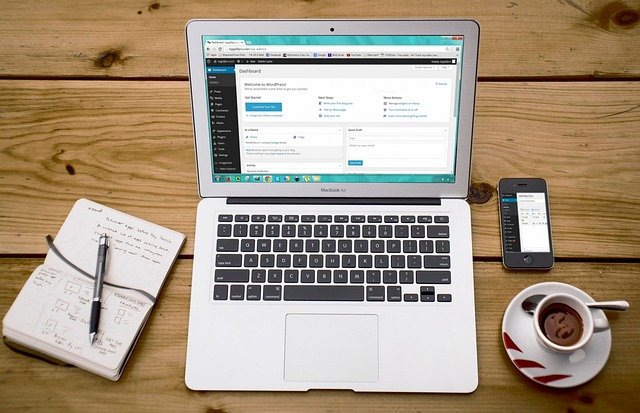
5. Using smart website design for lead generation (how to create a website)
Careful analysis of where and how to position opportunities is essential for converting visitors into leads. Making the process feel effortless and natural for the user is a key component of designing a website for lead generation.
Calls to action, lead magnets, and forms should be placed where they naturally align with the visitor’s journey. Excellent placement options include:
At the top of key landing pages: Visible immediately, without the need to scroll.
Following product or service descriptions: When trust has been established and interest is at its peak.
Exit-intent pop-ups: A final opportunity to spark a user’s interest before they leave.
Every element of the lead generation process should be easy to complete. Visitors are more likely to say “yes” when forms are short, value propositions are clear, and low-friction offers (such as free trials, guides, or consultations) are presented.
By removing obstacles and providing numerous, unobtrusive opportunities for visitor interaction, smart design boosts the flow of leads without compromising the user experience.
Improving website user experience to increase conversions
Every high-performing website revolves around user experience (UX). If customers cannot find what they need or navigate easily, even the most attractive designs will fail. Ensuring a seamless, user-friendly, and satisfying experience is key to improving website UX and driving more conversions.
Mapping visitor journeys is crucial. Design paths with user needs in mind at every step. Important actions should be highlighted, key pages easily accessible, and friction minimized.
Addressing common UX issues is the first step in optimizing a website’s layout for conversion rates:
Hidden navigation links or confusing menus
Overwhelmingly cluttered pages
Poor mobile experience
Excessively long or complex forms
How to create a website
A simple fact lies at the heart of every successful website: every design choice must foster conversion and trust. A website must work for both the business and the customer; aesthetics alone are not enough. You also have to take these in consideration when you want to learn how to create a website.
Visitors should be guided by the clarity of each page, trust should be built through design and content, and clear actions should be easy to take. Conversions happen organically when the user experience is effortless. Visit our website creation services page.
Article: How to create a website that turns visitors into customers.
See our website page for more information, and for Website creation Prices.