
What is Branding and why is it essential for a business?

What is brand identity
A company’s mission, values, and distinctive story are all part of its branding, which creates and conveys its unique character. Consistently fulfilling commitments and leaving a lasting impression on customers are key components of effective branding.
But what is branding, really? Think of it as the process by which a brand comes to life, encompassing everything from design and the logo to the voice used in communication.
The branding process is like a journey that helps a company carve out a market niche compelling enough for people to recognize it simply by looking at its logo.
Beyond aesthetics, strong branding boosts perceived value, loyalty, and trust. It fosters a connection with the customer that makes sense on both logical and emotional levels.
Why do people choose a specific brand of smartphone or coffee? It is the allure of strong branding—that inexplicable attraction that transcends cost and utility.
Effective branding is, therefore, no coincidence. Through a carefully conceived and executed approach, customer expectations and experiences align with the brand’s objectives.
The hallmark of successful branding is the integration of a company’s vision with its customers’ needs; this is the moment a brand truly comes to life.
Marketing vs. Branding
The marketing structure is built upon branding—the message that prepares the target audience. Marketing, on the other hand, refers to the channels and techniques used to convey that message.
Any company aiming for a strong market presence must understand the subtle differences between branding and marketing.
Through various forms of marketing communication, marketing campaigns attract potential customers and convey the brand’s message.
But where does the enduring essence of a brand meet marketing strategy?
This is evident in the coherence of campaigns, the consistency of the message, and the alignment between brand values and the way the brand is presented.
While marketing initiatives are more ephemeral and can be adjusted in response to audience reactions and trends, the brand itself should remain strong and consistently solidify its place in the minds of consumers.
For companies hoping to make a name for themselves in today’s fiercely competitive market, hiring a branding agency represents both an investment and a statement of intent. It signals: “We are here to make our mark, and we are serious about it.”
With the right collaboration, branding becomes a strategic asset that positions a business for market presence and dominance.
Branding Components
Several essential components stand out as pillars of successful branding when the essence of a strong brand is distilled:
Visual identity: A brand’s most recognizable aspect is often its visual identity. This includes the typeface, color scheme, and logo that come to represent the brand’s aesthetic. Your brand’s visual identity speaks for itself without the need for words.
Brand design consistency: It is crucial to ensure that the brand design remains consistent across all platforms. Customers can easily recognize this unified and distinctive look.
Beyond imagery, brand design encompasses all aesthetic and functional elements of a brand’s touchpoints. This includes the design of merchandise, packaging, the website, and even the layout of the brand’s physical space.
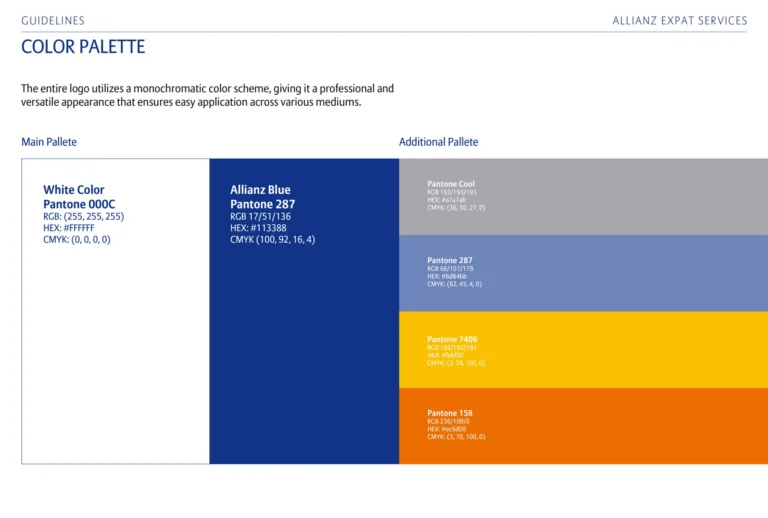
Brand colors: A brand’s values and messages can be conveyed simply through a color palette carefully selected for its psychological impact and cultural associations. These hues come to reflect the brand itself.
Integration of brand elements: Harmonious integration of all brand components is essential. Communicating a coherent and compelling story about your company requires the skillful blending of visual identity, brand design, and color palette.
The importance of branding
Branding influences customers to choose a single product from a range of comparable options.
But what makes branding so crucial? A brand represents the customer’s perspective, experiences, and connection with the business; it is more than just a logo or a catchy slogan. Here is how it exerts its power:
Strong brand: A strong brand stands for quality and reliability, serving as a guarantee for the consumer. It acts as a signal that simplifies decision-making for customers faced with a multitude of choices.
Brand loyalty: Since brand loyalty translates into repeat business, it is the ultimate goal for enterprises. Loyalty is rooted more in the enduring emotional connection and recognition associated with a well-crafted brand than in mere rewards.
Brand value: The intangible capital derived from customer associations—and the willingness to pay a premium for a branded product over an unbranded one—forms the foundation of brand value. A company’s long-term sustainability and profitability depend heavily on its perceived value.
Key terms regarding what branding is
A brand is a collection of customer perceptions. To establish and maintain a successful brand, it is necessary to understand and competently manage a series of essential terms:
Brand identity — This is the aggregate of brand elements created by the company to present the right image to its consumers.
Brand promise — A brand’s commitment to its customers is known as the brand promise. It outlines the benefits and experiences that users can expect.
Brand image — A brand’s image is shaped by how customers perceive it. It is the public’s perception of what you sell and how you sell it.
Brand perception — A reflection of how the outside world perceives a brand; brand perception is shaped by associations and experiences.
Brand consistency — Consistency reinforces brand identity and fosters consumer trust. This thread runs through every facet of a brand, from messaging to visual components.
Brand values — These fundamental ideas serve as a compass for the brand’s narrative and decision-making processes, defining its culture and public identity.
Why should we take branding (branding components) seriously?
Companies must recognize the importance of branding to attract and retain market share. Here is why making branding an absolute priority can be a game-changer:
Loyal customers: Build a strong relationship with existing customers by consistently delivering on your brand promise, which encourages repeat purchases.
Current customers: Your brand’s story and value proposition remind existing customers why they chose you in the first place, reinforcing their decision with every satisfying interaction.
Potential customers: Prospective customers are watching from the sidelines. Your brand narratives and the experiences of your devoted customers influence them.
When it comes to new consumers, a strong and effectively articulated brand can make the difference between being ignored and being perceived as a viable, attractive option they are eager to explore.
Embracing the importance of company branding & what is branding means recognizing that every interaction is an opportunity to reaffirm your brand’s value and promise—a chance to turn interest into action and satisfaction into loyalty.
We hope this article (about what is brand identity) has answered any questions you might have had.
For branding services and for more information on what is branding, we invite you to visit our website’s page.
Our Services
Do you want a free evaluation of your project?
Ready to start your project? Get in touch with our Branding Agency using our contact form, email, or WhatsApp. We’d be happy to learn more about your business and discuss the best creative solution for your brand.